OCAA Sports Hub
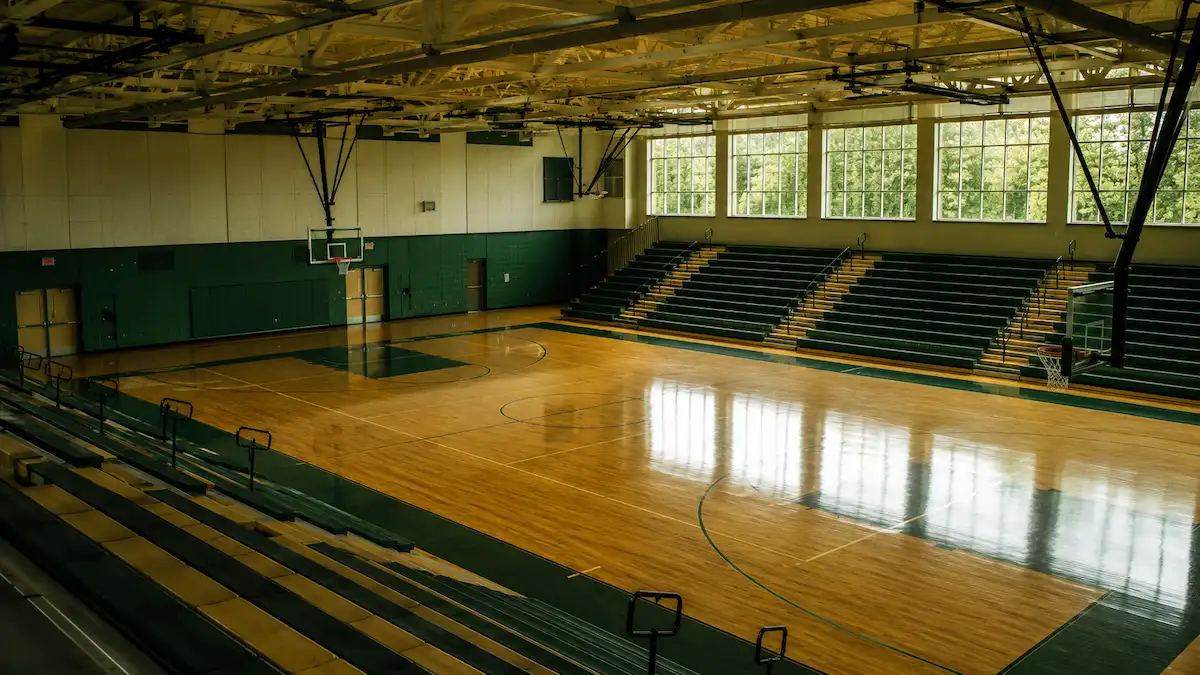
Most of the OCAA winter calendar is played in gyms like this one, across two dozen campuses.
The OCAA puts varsity programs from colleges across Ontario into one competition, from Algonquin and Fleming to Sheridan and Seneca. We follow the full sport slate on both the men's and women's side, from early non-conference games through to the provincial championship weekends every program is building toward.
Live standings, eligibility rules and the official schedule live at ocaa.com. We do not duplicate any of that. What follows is the structural side: how the league is put together and what actually decides a championship.
How the league works in four points
- Colleges are grouped into regional divisions to keep travel workable.
- Divisional standings set the seeding for the postseason.
- Crossover games against other divisions decide true provincial ranking.
- Each sport finishes with a provincial championship weekend.
A calendar that runs most of the year
Between outdoor sport in the fall, indoor sport through the winter, and diamond sport in the spring, OCAA competition covers nearly the whole academic year. Athletic departments are rarely without an active program in season, which shapes everything from gym booking to how roster spots get shared out across a college's offering.
- FallOutdoor soccer, rugby, cross-country
- WinterBasketball, volleyball, indoor soccer
- SpringBaseball, softball, championship weekends
Women's sports
Men's sports
Start here
-
How OCAA championships work
Divisional play, crossover games, seeding and the championship weekend format.
-
Member colleges
Who competes in the league, and how campus size shapes what each one can field.
-
Volleyball
One of the deepest winter fields in the league on both sides.
Why one sport won't tell you much
A college's athletic department is rarely defined by a single program's results. A strong basketball season alongside a rebuilding soccer program at the same school in the same year is normal. It reflects recruiting cycles and coaching turnover in two separate operations, not the state of the department as a whole.
Reading the standings properly
Because divisions differ in strength, no single table tells the whole provincial story. Following a season through to the late crossover games gives a much clearer read on who can actually win a championship than early divisional records do. That holds across every sport in the league, and each one carries scheduling quirks worth understanding on its own terms.
For francophone readers
A good share of Ontario college sport is followed from Quebec and from the province's own francophone communities, and two member colleges teach in French. Our guide francophone sur le sport collégial ontarien covers the same divisional structure, the championship route and the way the season is laid out.
Anyone following the odds alongside the results will find that college sport gets far thinner coverage than the professional leagues most platforms lead with. A comparison of paris sportifs au Québec is the quickest way to see which operators carry North American college markets at all. Age limits apply, 19 in Ontario and 18 in Quebec, and our responsible gambling page covers the rest.
Questions about the league
How many colleges compete in the OCAA?
Roughly two dozen institutions across Ontario, ranging from large urban colleges to smaller campuses in the north and east of the province.
Does every college field a team in every sport?
No. Program offerings vary by campus depending on facilities, athletic department size and local demand. Larger colleges typically field teams across more of the sport slate.
What comes after the OCAA championship?
For sports with a national college championship above the provincial level, the OCAA champion can go on to represent Ontario nationally.
Aussi en français
Nous publions un guide francophone sur le sport collégial ontarien.